10 Things to Consider Before Buying a Garbage Truck
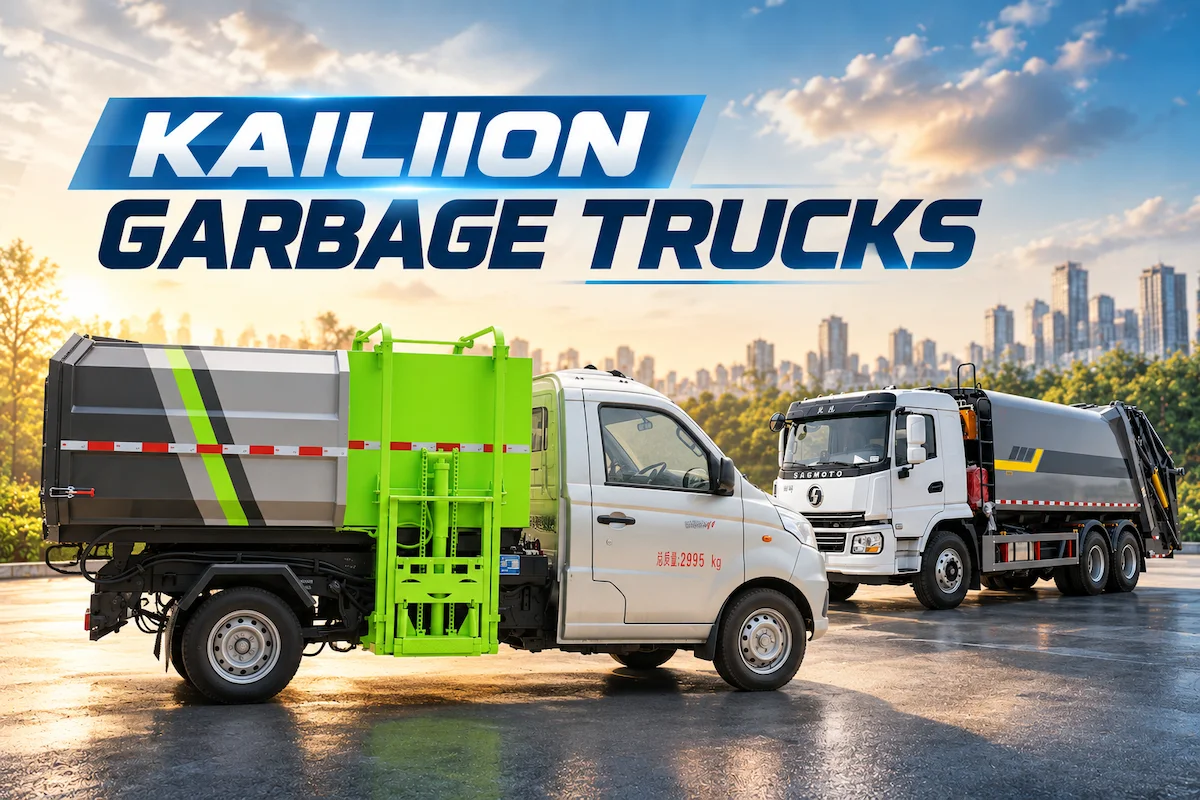
Buying a garbage truck involves more than comparing garbage truck size and purchase price. The right choice should match your road conditions, waste collection needs, steering requirements, axle configuration, maintenance capability, spare-parts availability, and transport distance. These factors can also affect the overall garbage truck cost throughout its service life.
Buying a garbage truck involves more than comparing truck size and purchase price. The right choice should match your road conditions, waste collection needs, steering requirements, axle configuration, maintenance capability, spare-parts availability, and transport distance. These factors can also affect the overall garbage truck cost throughout its service life.
In this article, we’ll cover 10 key things to consider before buying a garbage truck, based on KAILION’s years of experience in vehicle manufacturing and export projects.
1.Choose the Right Type of Garbage Truck
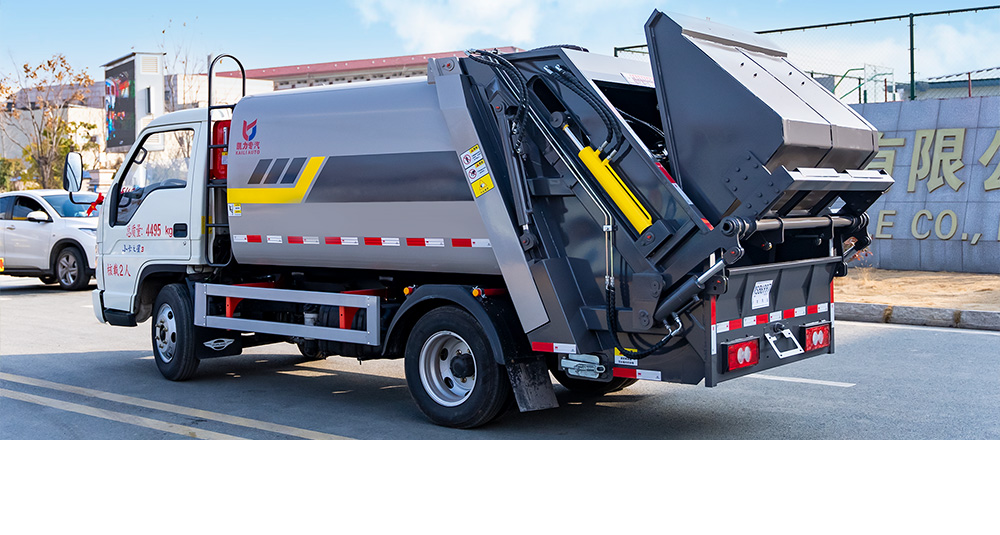
Different types of garbage trucks are designed for different collection methods and operating environments. Common options include rear loader, side loader, and front loader garbage trucks.
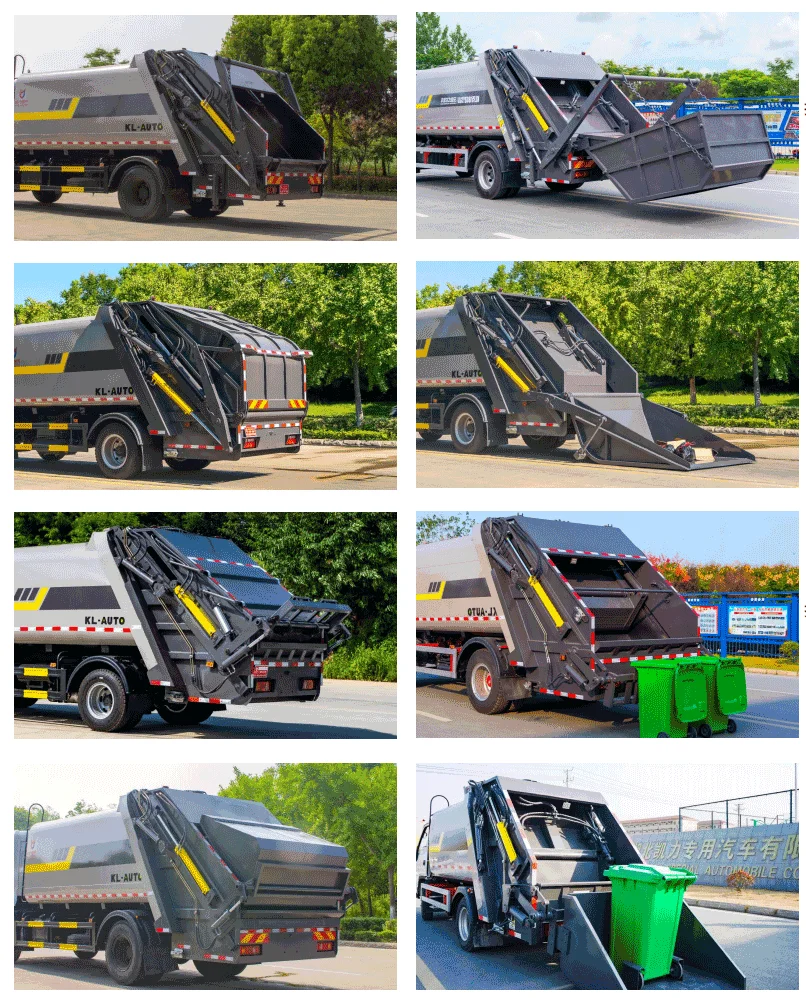
When choosing a truck type, consider waste volume, bin type, road width, loading method, and daily collection routes rather than focusing only on vehicle size.
In addition to traditional garbage trucks, KAILION also provides mobile waste compactors solutions. These systems can collect and compact waste before transport, making them suitable for schools, tourist sites, industrial parks, and other locations with concentrated waste generation.
2.Choose the Right Truck Capacity
Garbage truck models are often grouped by gross vehicle weight or body size. Different sizes fit different work areas and waste hauling needs.
Small Garbage Trucks: 3–6 m³
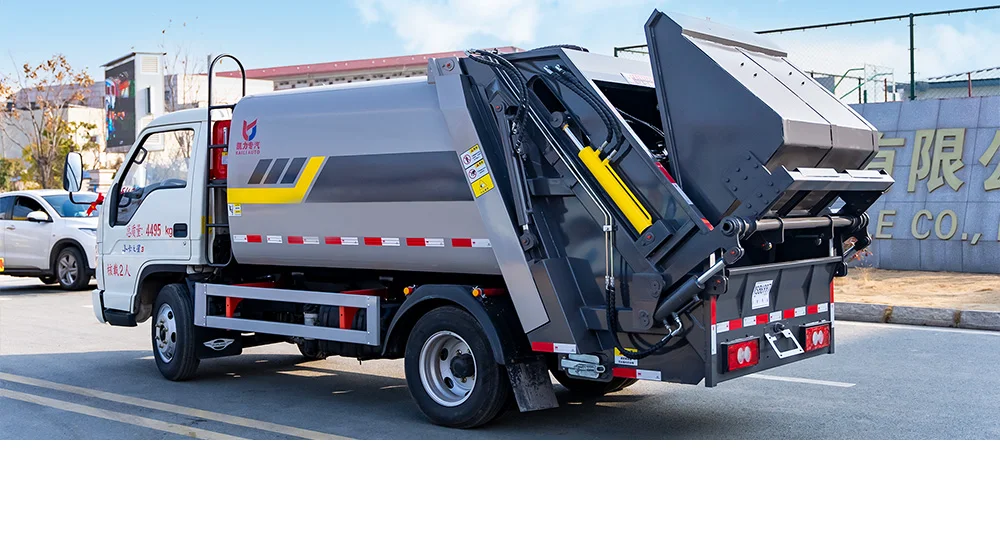
Small garbage trucks have a short wheelbase and a small turning radius, making them easier to operate on narrow streets. Such as:
- residential streets;
- markets;
- schools and institutions;
- smaller commercial properties;
- short local collection routes;
- areas where access is restricted.
The main drawback is the small body capacity. In areas with high waste volumes, the truck may need to make more trips, increasing operating costs. You should compare vehicle access with the distance from the collection area to the transfer station or disposal facility.
Medium Garbage Trucks: 7–12 m³
Medium garbage trucks balance easy driving with good capacity.

When specifying an 7–12 m³ truck, body volume should be checked together with:
- chassis gross vehicle weight;
- legal axle loads;
- payload;
- compactor-body weight;
- passenger or crew requirements;
- local road restrictions.
Large Garbage Trucks: 14–20+ m³
Large garbage trucks typically have a body capacity of 14–20 m³ or more. They are mainly used for high-volume waste collection and long-distance transport, such as moving waste from transfer stations to landfills or incineration plants. They are also suitable for large industrial sites and logistics where large amounts of waste need to be collected in one location.

Depending on the chassis, the gross vehicle mass can reach 18, 25, or even 31 tonnes . A larger refuse body allows more waste to be carried per trip, while a compaction system can reduce waste volume during loading and make better use of the available capacity.
The main advantage of a large garbage truck is fewer transport trips, which can help reduce fuel use, driver time, and overall transport costs. However, a huge garbage truck is not always the best choice. Its longer body and larger turning radius require more operating space, especially on narrow streets or at restricted collection points.
3. RHD or LHD
Confirm the required RHD or LHD configuration for the destination country before you order the chassis.
For example, Kenya Bureau of Standards’ road-vehicle inspection rules state that vehicles under this standard must be right-hand drive.
For an export project, the manufacturer and buyer should therefore verify:
- steering position;
- applicable vehicle standards;
- emissions requirements;
- vehicle inspection requirements;
- registration rules;
- axle and weight limits;
Before ordering, confirm the destination country’s vehicle-standard to ensure the garbage truck can be legally imported and operated.
4. Add a Sewage Tank and Leak-Proof Tailgate
Waste containment is particularly important when the collection stream contains wet household waste, food waste or market waste.

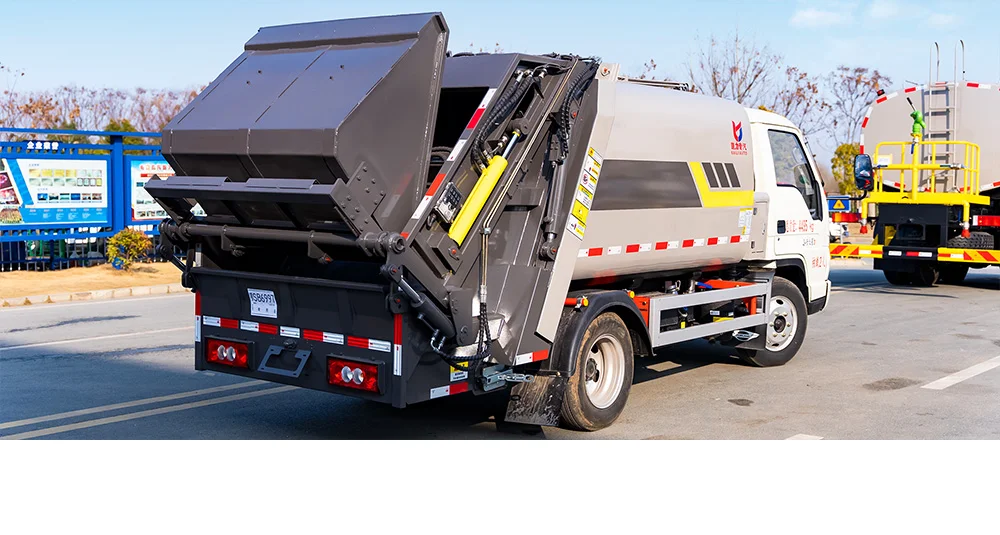
A refuse body should be designed to reduce the risk of liquid and loose waste escaping during transportation. Depending on the application, this can involve:
- tailgate sealing;
- wastewater drainage;
- sewage or leachate collection tanks;
- secure tailgate locking;
- protected drainage points.
This is not only a cleanliness issue.
For routes with wet waste, include a sewage tank and a well-designed tailgate seal in the specification stage. Do not add them later.
The required tank size should depend on the waste stream and collection cycle. It should not use one standard size for every vehicle.
5. Axle Configuration
Axle configuration affects more than the number of wheels under the truck. It influences traction, allowable vehicle weight, chassis layout and the load carried by individual axles.
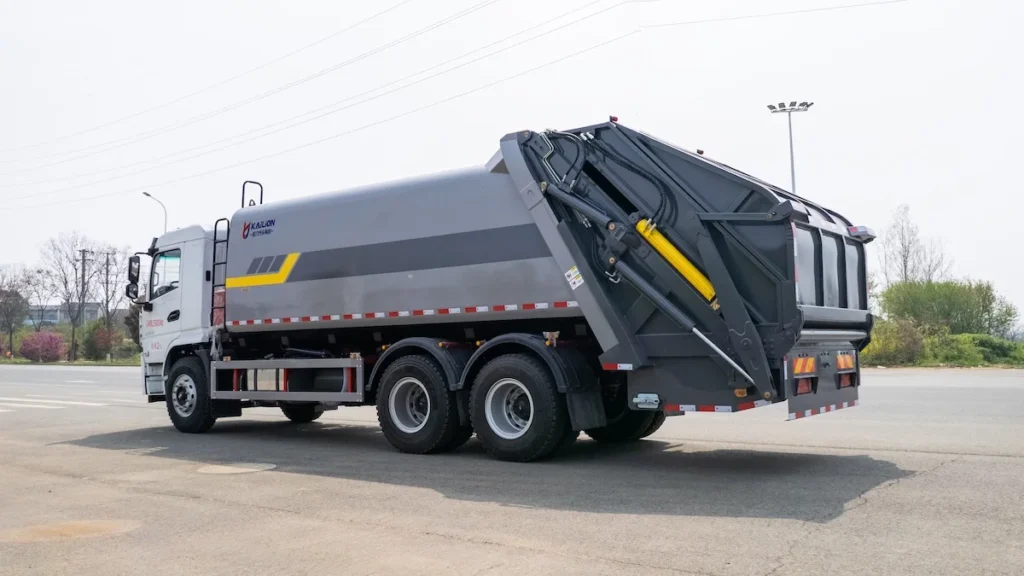
Common rigid-truck configurations include:
| Configuration | Basic Layout | Typical Reason to Consider It |
|---|---|---|
| 4×2 | Two axles, one driven | Urban and road-focused operation where extra driven axles are unnecessary |
| 6×2 | Three axles, one driven | Additional axle capacity while retaining a single driven axle |
| 6×4 | Three axles, two driven | Higher traction requirements and heavier-duty operation |
| 8×4 | Four axles, two driven | Greater axle-load distribution or high-capacity rigid chassis |
Payload must be calculated from the specific chassis ratings, body weight, equipment, crew, legal gross vehicle mass and applicable national axle-load regulations.
For garbage trucks, buyers should therefore ask for a complete weight calculation rather than choosing a chassis simply because it is described as 4×2 or 6×4.
6. Customize for Hot, Dusty and Corrosive Environments
Operating environment should be part of the truck specification.
Across African markets, some refuse trucks may operate in high ambient temperatures, high dust levels, unpaved areas or coastal environments. These conditions can place additional demands on cooling, filtration, electrical components and exposed surfaces.
For a garbage truck operating under severe conditions, buyers should discuss with the chassis and body manufacturer:
- engine cooling requirements;
- radiator protection and cleaning access;
- engine and cab air filtration;
- protection of electrical connectors;
- hydraulic-system temperature;
- dust protection around moving components;
- paint and corrosion-protection requirements.
Coastal operation deserves separate attention because the expected corrosion exposure may differ from an inland dry environment.
7. Keep the Hydraulic and Electrical Systems Easy to Maintain
A refuse compactor operates its hydraulic system repeatedly throughout the collection route.
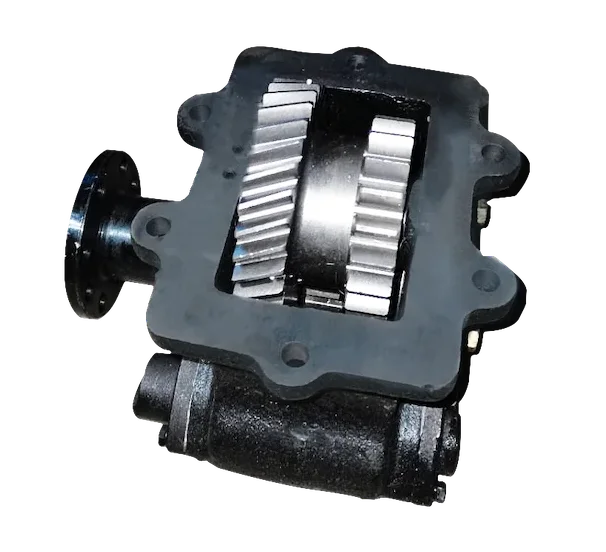
Important service points include:
- hydraulic cylinders;
- pumps;
- valves;
- hoses;
- filters;
- electrical controls;
- sensors;
- PTO components;
- body-to-chassis mounting points.
Real municipal specifications reflect this need.
The hydraulic cylinders must be protected from contact with household waste. Compactor-to-chassis mounting bolts must be easy to access for maintenance.
This is an important principle for export vehicles.
More automation is not automatically better if diagnosing a simple fault requires specialized equipment that is unavailable in the operating region.
The appropriate design should balance automation, safety and maintainability according to the customer’s service capability.
8. Components, Chassis and Spare Parts
When comparing suppliers, the purchase price should not be the only consideration. The long-term cost of a garbage truck also depends on maintenance, spare-parts availability, downtime, fuel use, and how easily the chassis can be serviced locally.
Before choosing a chassis, you should investigate:
- Is the chassis brand already supported in the destination country?
- Are routine service parts available locally?
- Can local workshops service the engine, transmission and braking system?
- Which compactor parts must be imported?
- What critical spare parts should be supplied with the first vehicle order?
- How are replacement parts identified and ordered?
For a fleet purchase, standardizing components across several trucks may also simplify stocking and maintenance.
9.Add Safety Equipment for Local Operations
Garbage collection involves workers operating around a large vehicle that frequently stops, reverses and runs hydraulic equipment.
Safety equipment should be specified for the actual collection method.
Options to evaluate include:
- reversing warning devices;
- rear-view or reversing cameras;
- warning lights;
- working lights;
- emergency stops;
- audible warnings during compactor operation;
- anti-slip steps;
- safe handholds;
- fire extinguishers;
- guards for exposed lights and equipment.
These features appear in real refuse-truck procurement requirements.
Safety equipment should be treated as part of the working system, not simply as optional accessories added at the end of production.
10. Long-Distance Waste Transport
Distance from the collection route to the transfer station or final disposal site can substantially change the right truck configuration.
Body Material
Long-distance waste transport places higher demands on body strength. High-strength manganese steel or wear-resistant steel is a better choice because it offers good resistance to corrosion and deformation, helping maintain structural stability over long-term use.
Chassis
For long-distance operation, a medium- or heavy-duty chassis is recommended. A longer wheelbase and higher load capacity can provide better stability, especially during highway transport.
Hydraulic System
The hydraulic system is one of the components that requires close attention during long-term operation. For long-distance transport, choose reliable hydraulic components with good heat-dissipation performance to help control oil temperature and reduce the risk of system failure during extended working cycles.
Electric Garbage Compactor Truck
When considering an electric garbage truck, check the available charging facilities, daily driving distance, compaction workload, charging time, and seasonal conditions.

The truck must power both driving and body operations, so daily usability should not be judged by driving range alone.
Final Checklist
Before placing an order, make sure the truck specification clearly reflects your actual operating conditions.
A useful specification should include:
- RHD or LHD;
- daily waste volume;
- required body capacity;
- expected payload;
- bin or container types;
- percentage of paved and unpaved roads;
- road gradients and access restrictions;
- distance to the disposal facility;
- ambient operating conditions;
- preferred chassis brand;
- local spare-parts availability;
- sewage-tank requirements;
- required safety equipment;
- local inspection and registration requirements.
Conclusion
There is no single “best” garbage compactor truck—only the one that best fits your needs. Start by defining your requirements, reviewing the technical specifications, comparing manufacturers, and then evaluating after-sales support and compliance.
Need Help Choosing the Right Garbage Truck?
Our team can recommend a suitable garbage truck configuration and provide a quotation based on your requirements.
Related Articles
View All Articles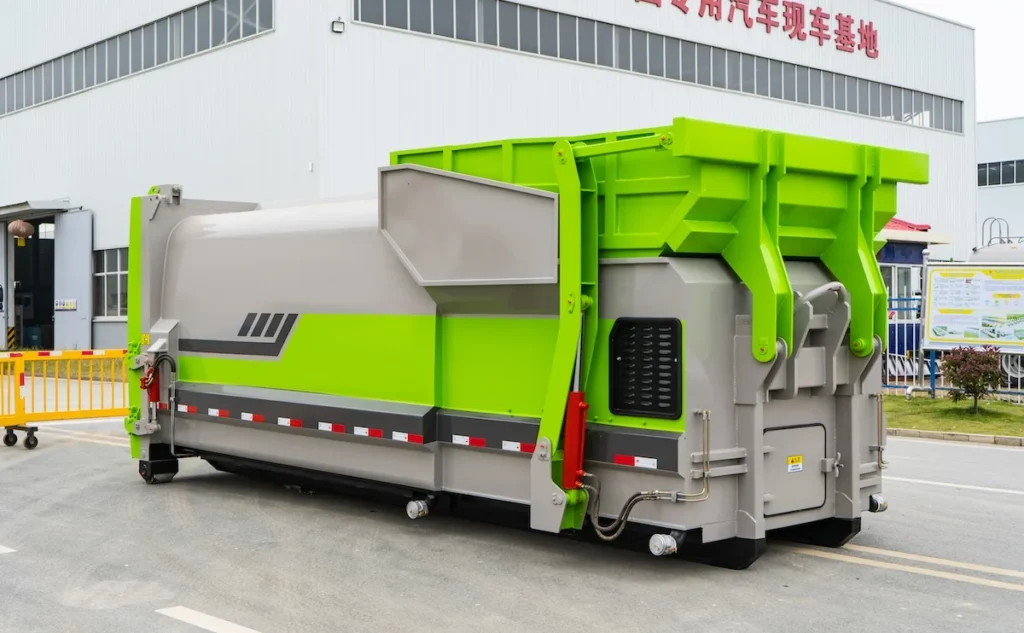
Choosing a Mobile Trash Compactor: What Buyers Should Know
This guide explains the benefits and applications of mobile waste compactors. This will help you choose the right waste management compactor for your waste collection and transport needs.
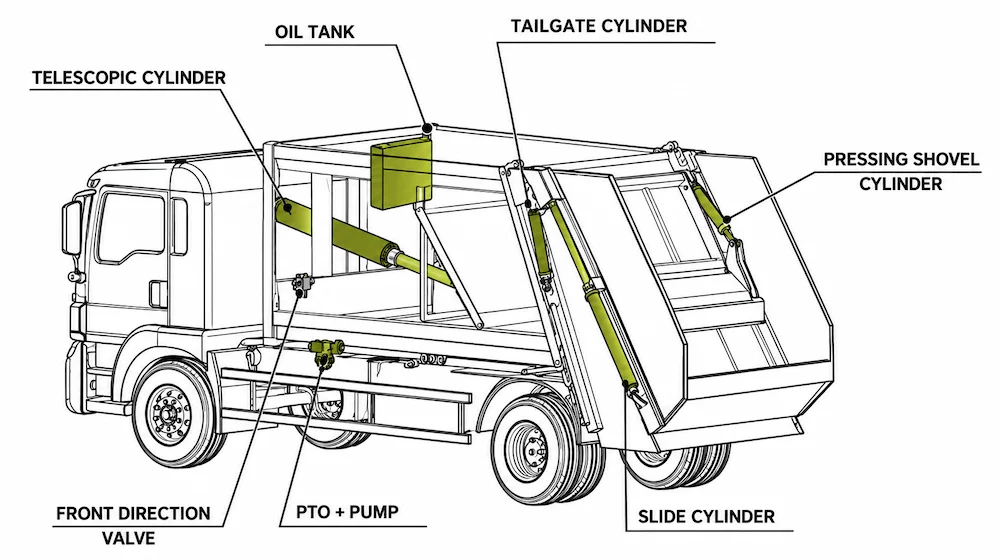
Key Parts of a Garbage Compactor Truck Explained
A garbage compactor truck can complete waste compaction and unloading efficiently because its mechanical, hydraulic, and electrical systems work together.
Complete Guide to Rear Loader Garbage Trucks
A rear loader garbage truck is a sanitation vehicle that loads waste from the rear of the truck. It uses a compaction system that compresses loose waste before transport.