Key Parts of a Garbage Compactor Truck Explained
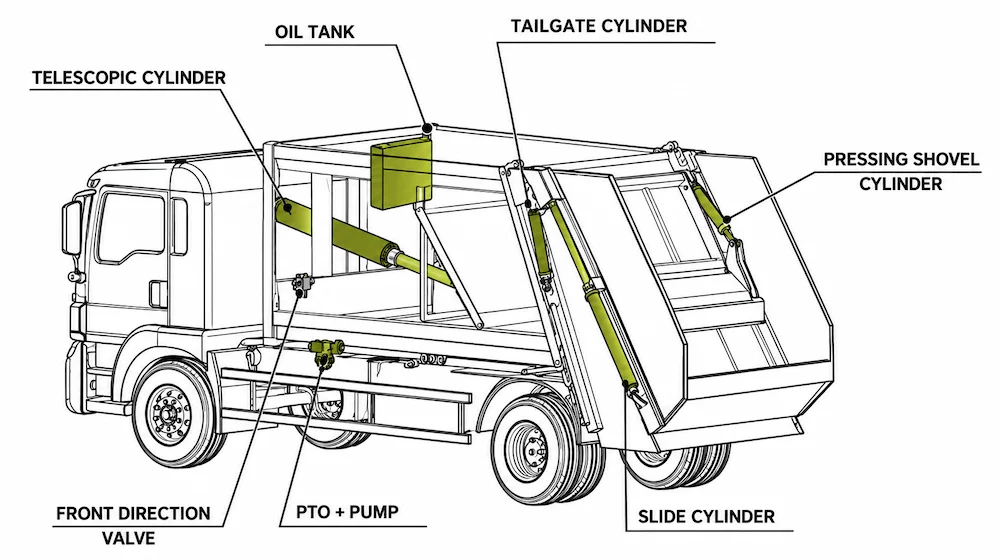
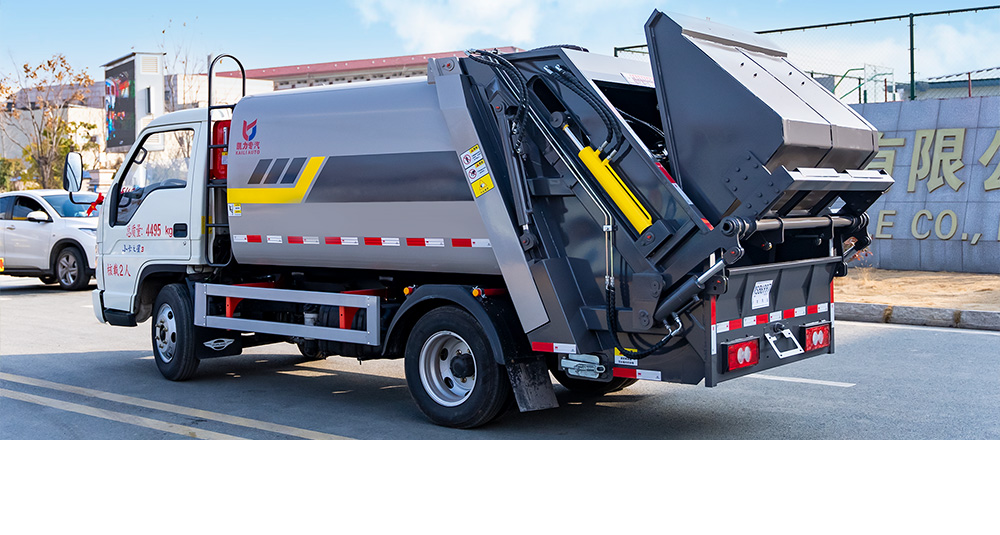
A garbage compactor truck can complete waste compaction and unloading efficiently because its mechanical, hydraulic, and electrical systems work together.
A garbage compactor truck can complete waste compaction and unloading efficiently because its mechanical, hydraulic, and electrical systems work together.
From power take-off and hydraulic drive to electrical controls and safety warning parts, every component has its own function and helps keep the truck stable and reliable during operation.
This article explains the main parts of a trash truck from a practical point of view and helps buyers better understand how a trash truck works.
Power Take-Off
The power take-off, or PTO, is the starting point of the compactor body power system. It takes power from the transmission and transfers it to the hydraulic pump, which then drives the whole upper-body hydraulic system.
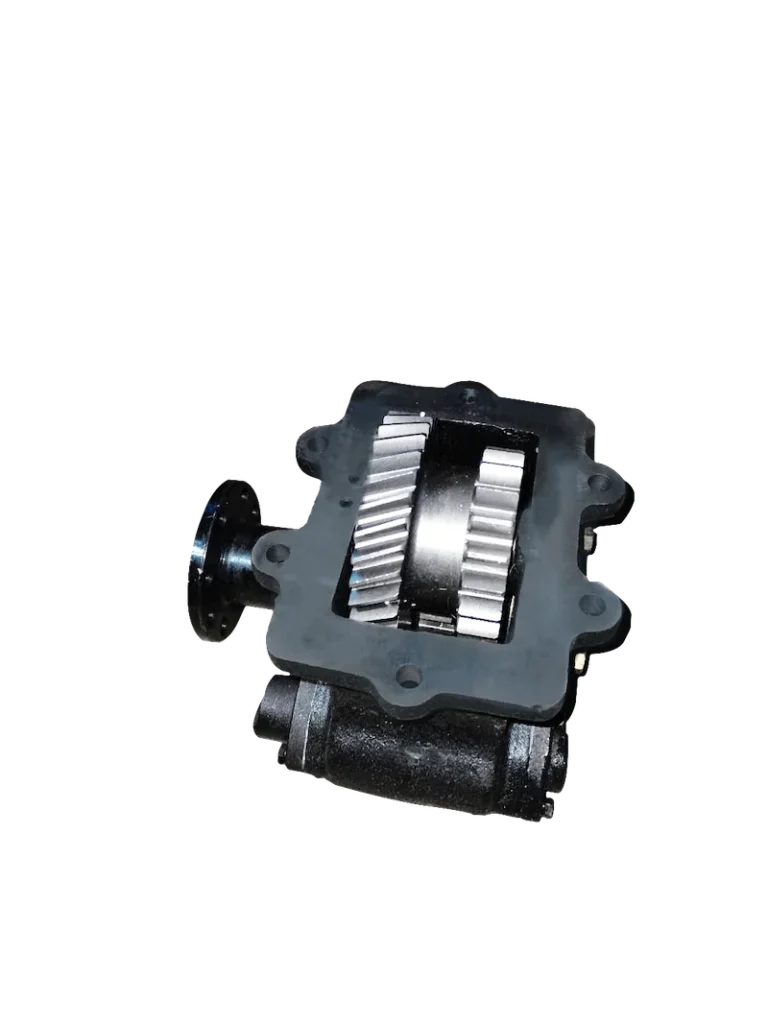
The PTO itself is generally durable. Most problems come from improper operation. For example, the clutch may not fully disengage, or the driver may start driving without first disengaging the PTO. During daily use, the driver must follow the correct operating procedure.
Hydraulic Cylinders
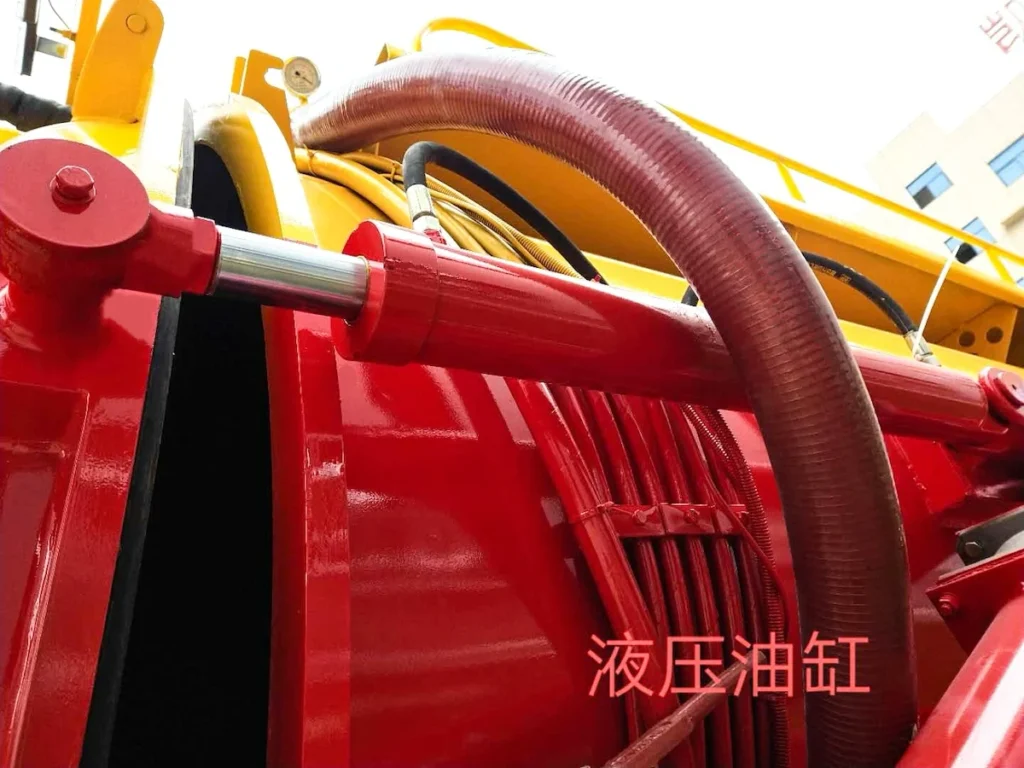
Hydraulic cylinders act like the “muscles” of the hydraulic system in a rear loader garbage truck.
The cylinder stroke affects movement range and operating speed. The cylinder bore affects pressure capacity and output force.
When selecting a cylinder for a rear loader, its pressure rating must be higher than the rated pressure of the vehicle hydraulic system. During daily use, avoid impacts or scratches from hard objects. Damage to the cylinder surface may cause hydraulic oil leakage.
Gear Pump
The gear pump serves as the hydraulic power source, and people also see it as the “heart” of the hydraulic system.
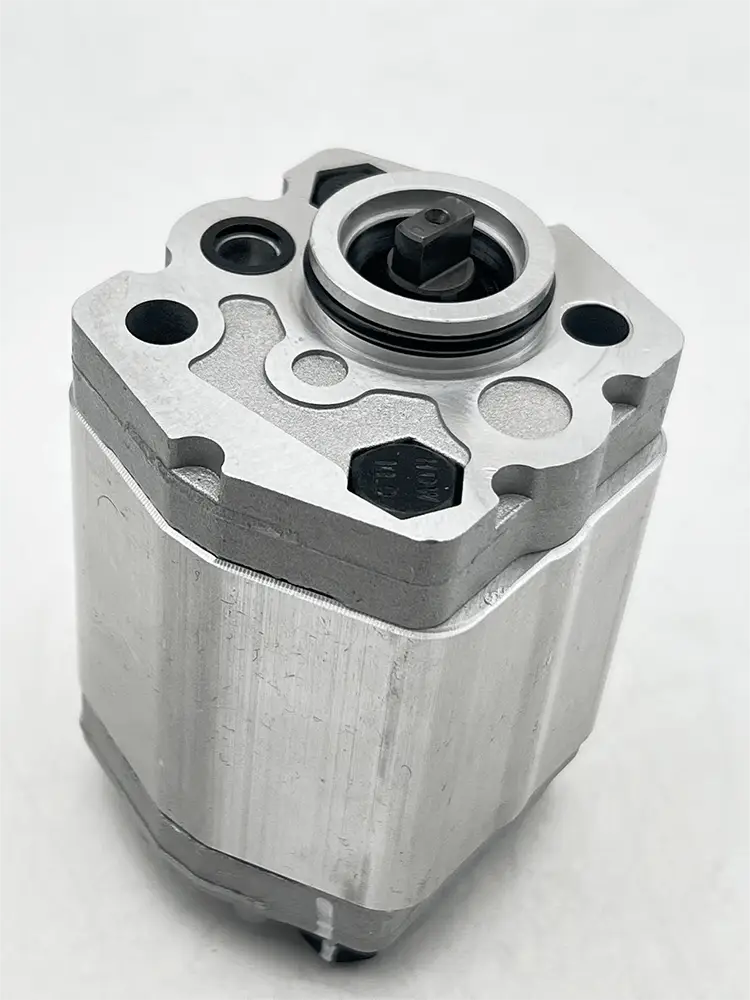
It converts the mechanical power from the engine into hydraulic pressure. The pump draws hydraulic oil from the oil tank, pressurizes it, and sends the high-pressure oil to the multi-way control valve and hydraulic cylinders.
This provides power for the complete waste compaction system.
Multi-Way Control Valve
The multi-way control valve is the main valve group of the hydraulic system and the control center for hydraulic movements.
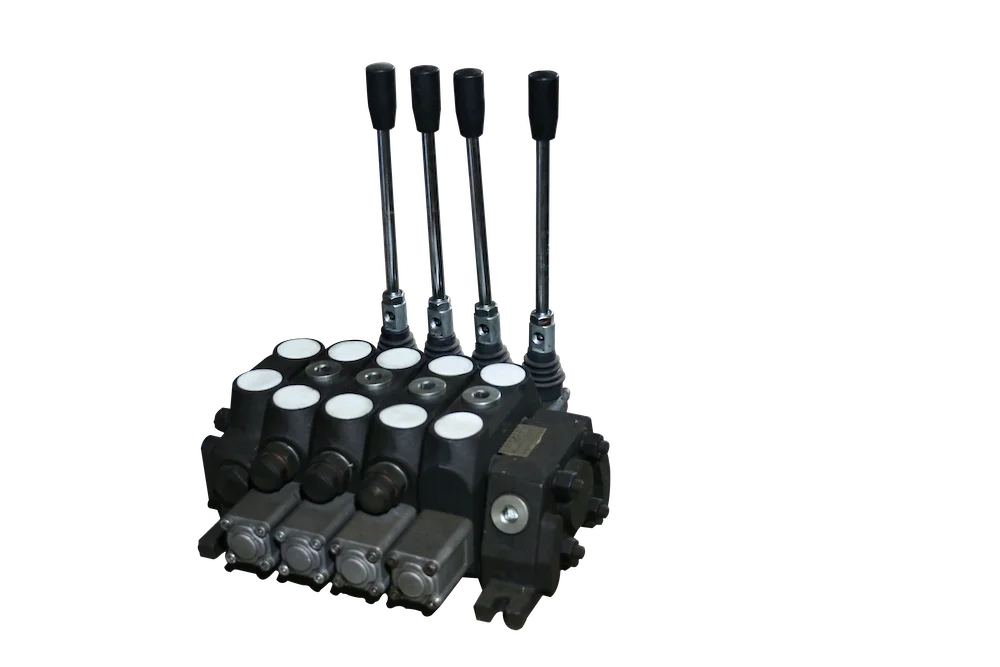
It is available in manual and electrically controlled versions. It can control several actuators, including the slide plate, scraper plate, ejector plate, and tailgate.
The valve distributes high-pressure hydraulic oil and changes the oil flow direction. It controls actions like slide plate movement, scraper movement, ejector plate movement, and tailgate opening and closing.
This happens during the waste compaction and unloading process.
The valve body also includes a pressure relief function. It limits the maximum system pressure and protects hydraulic components from damage caused by excessive pressure.
Back Pressure Valve
The back pressure valve is a special pressure control valve used on garbage compactor trucks. It is also an important part of the waste compaction control system.
It is usually installed in the return oil line of the ejector plate cylinder.
The valve maintains a set back pressure. When the slide plate compresses the waste and system pressure exceeds the set value, the valve opens. The ejector plate then moves backward slowly.
This keeps continuous pressure on the waste and helps achieve better compaction.
When the pressure drops below the set value, the valve closes automatically and keeps the waste under pressure.
This helps increase loading capacity while also preventing excessive pressure from damaging the truck body structure.
Hydraulic Hoses
Hydraulic hoses work like the “blood vessels” of the hydraulic system.
They carry high-pressure hydraulic oil to different actuators and work under high oil pressure for long periods.
Hydraulic hoses are wear parts and should be checked regularly for oil leakage, aging, cracking, or swelling.
The replacement interval should be decided according to the actual working conditions of the truck.
Counterbalance Valve
The counterbalance valve, also called a hydraulic balance valve, is often a two-way hydraulic valve.
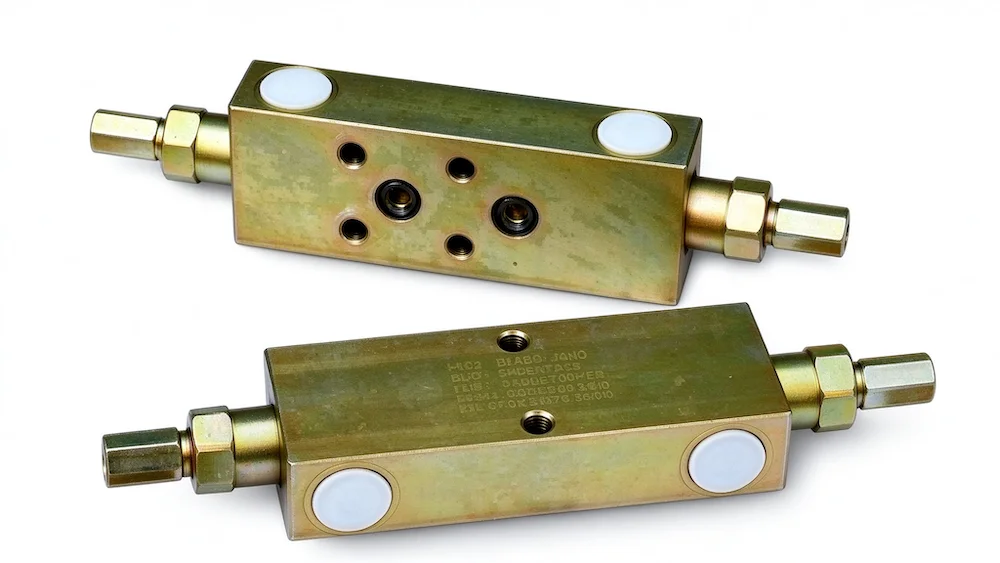
It is usually installed in the hydraulic circuit of lifting cylinders or tailgate lifting cylinders.
Its main function is to balance the weight of the load and prevent components from falling by themselves. It also helps the cylinder move downward at a steady and smooth speed.
If a hydraulic hose breaks suddenly, the counterbalance valve can immediately lock the oil circuit.
This helps prevent the tailgate or loading mechanism from dropping suddenly and reduces the risk of accidents.
It also helps heavy components move smoothly without sudden impact.
CNA Electrical Control System
The CNA electrical control system is part of the truck electrical system.
It uses electrical signals to control pneumatic valves, which then control the multi-way hydraulic valve.
Most current electrical control products have good water resistance and are not easily damaged by normal rain.
The main risk comes from impact or physical damage. During daily operation, avoid direct high-pressure water spraying and avoid hitting the control components.
Nylon Wear Blocks
Nylon wear blocks are wear-resistant support parts used on the slide plate of the loading mechanism.

They are made from high-molecular wear-resistant material and provide guidance and support.
When the slide plate moves up and down, the nylon blocks act as wear pads between the slide plate and the body guide rails.
They reduce friction, reduce wear, and help prevent abnormal noise.
They also carry the side load of the slide plate, help the plate move smoothly, and protect the steel body from direct contact and scratching.
Tail Lights
The tail lights are integrated LED combination lamps installed at the rear of the truck.
They combine brake lights, turn signals, position lights, and reverse lights.
During driving, they send braking, turning, and reversing signals to vehicles behind the truck.
During night waste collection, they also improve rear visibility and help reduce the risk of collisions.
Conclusion
The power system, hydraulic system, electrical control system, wear parts, and safety parts must work together to achieve efficient waste collection and compaction.
For anyone buying a garbage truck, understanding these key parts of a trash truck can help with vehicle selection, operation, and maintenance.
Correct operation, regular inspection, and timely maintenance can help identify problems such as valve leakage, aging hydraulic hoses, worn nylon blocks, and damaged electrical parts.
This can reduce truck downtime, extend service life, and improve the safety of daily waste collection operations.
Need Help Choosing Garbage Truck Parts?
We can help you select the right parts and truck configuration for your application.
Related Articles
View All Articles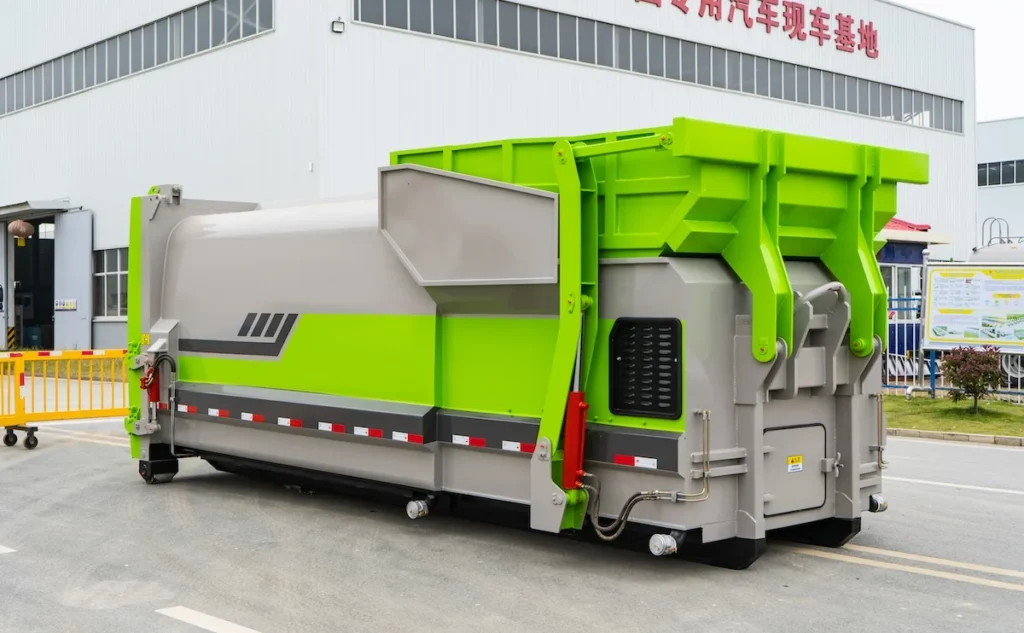
Choosing a Mobile Trash Compactor: What Buyers Should Know
This guide explains the benefits and applications of mobile waste compactors. This will help you choose the right waste management compactor for your waste collection and transport needs.
10 Things to Consider Before Buying a Garbage Truck
Buying a garbage truck involves more than comparing garbage truck size and purchase price. The right choice should match your road conditions, waste collection needs, steering requirements, axle configuration, maintenance capability, spare-parts availability, and transport distance. These factors can also affect the overall garbage truck cost throughout its service life.
Complete Guide to Rear Loader Garbage Trucks
A rear loader garbage truck is a sanitation vehicle that loads waste from the rear of the truck. It uses a compaction system that compresses loose waste before transport.