5 Key Factors to Check Before Buying a Water Truck
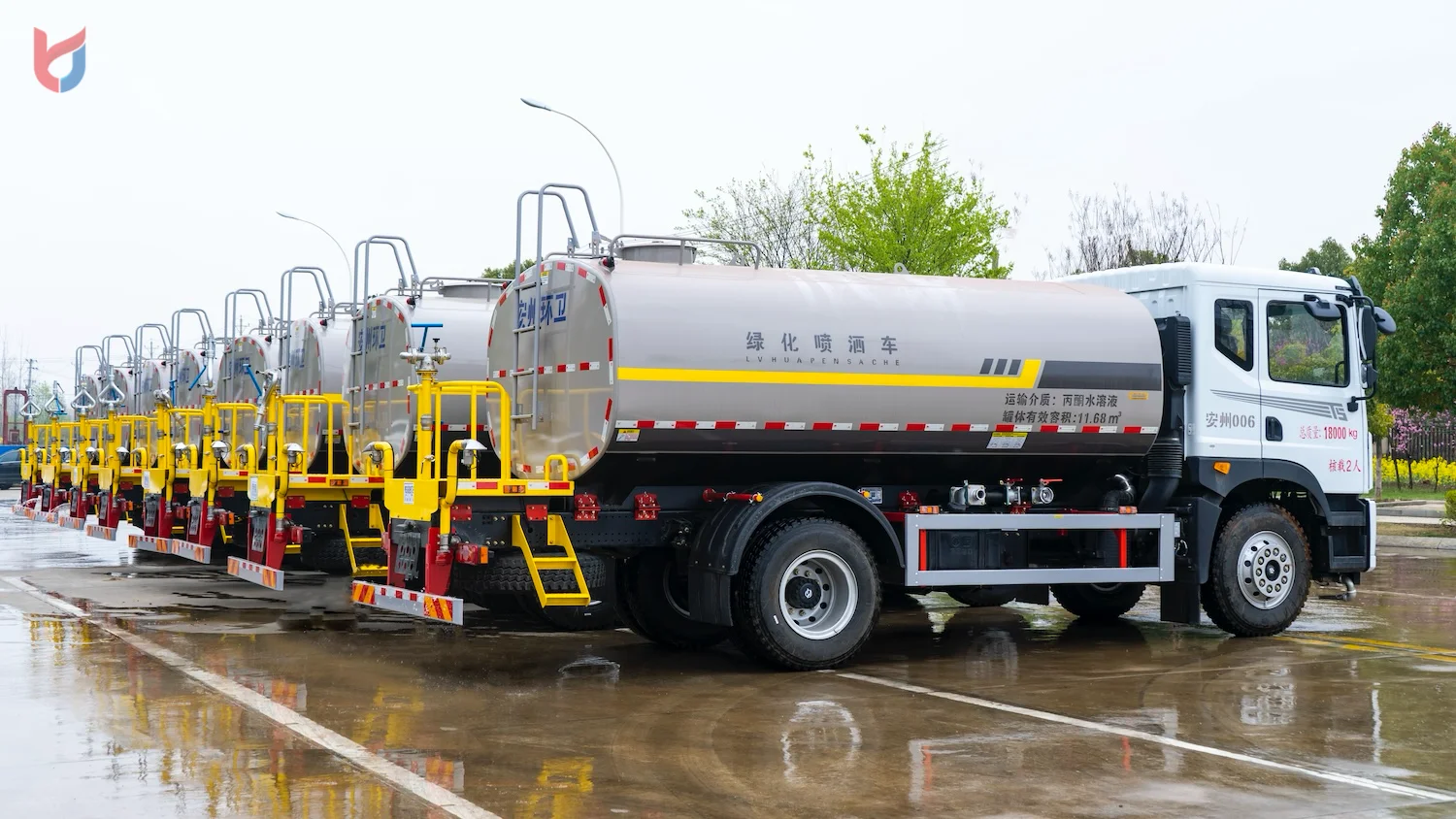
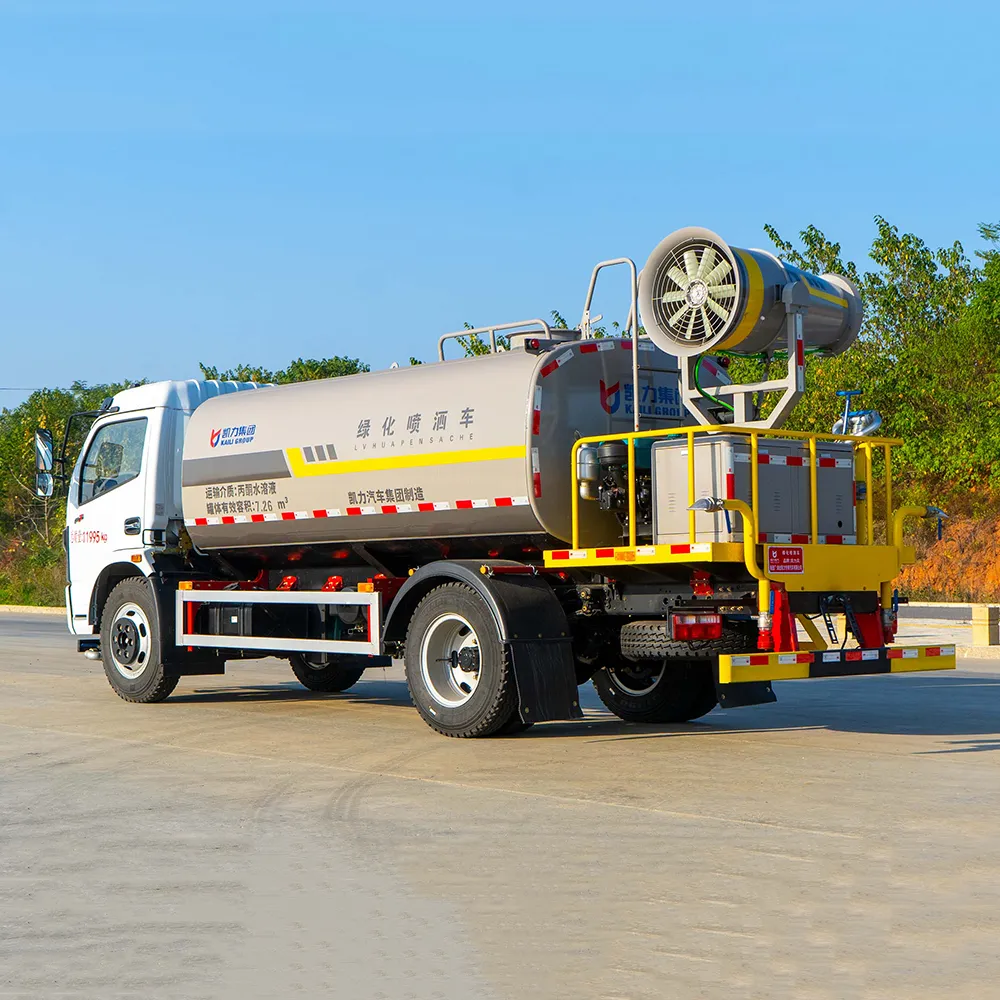
A water truck is a common vehicle used for road cleaning, dust control, landscaping, and municipal sanitation work. Buying the right water truck requires careful comparison of both technical specifications and commercial terms.
A water truck is a common vehicle used for road cleaning, dust control, landscaping, and municipal sanitation work. Buying the right water truck requires careful comparison of both technical specifications and commercial terms.
Many first-time buyers focus mainly on price or appearance. However, these factors do not always determine how well the truck will perform over the long term.
This guide explains five important points to consider before buying a water truck.
1. Match Water Tank Capacity to Chassis Payload
The water tank capacity must match the payload capacity of the truck chassis.
If the tank is too large, the chassis may operate under long-term overload. This can cause faster wear on the suspension, tires, and other chassis components.
If the tank is too small, the truck will cover a shorter distance before it needs to refill. More refill trips can reduce daily operating efficiency.
Before choosing a tank size, consider:
- Daily operating distance
- Distance between water filling points
- Road width
- Road conditions
- Required water volume
These factors can help you determine the effective water capacity needed for your operation.
2. Check the Water Pump, Water Truck Nozzle, and Piping Layout
The water pump is one of the most important parts of a water truck.
Common options include self-priming pumps and centrifugal pumps. Different pump types have different requirements for water sources and piping systems.
A self-priming water pump can draw water from a lower water source and offers good suction performance. However, you must seal the suction line well.
A centrifugal pump can give steady water flow, but air leaks in the suction pipe can greatly reduce performance.
When evaluating the water system, check:
- Pump material
- Seal quality
- Suction performance
- Water flow rate
- Water pressure
- Valve position
- Piping layout
- Water truck nozzle type
- Water truck spray head position
The water truck nozzle directly affects spray width, water distribution, and spray pattern.
Different nozzles are used for different jobs. Wide-angle nozzles are often used for road washing and dust control. More focused spray nozzles are used for targeted cleaning or irrigation.
Also position the water truck spray head correctly. Front, rear, and side spray heads serve different purposes and should provide even coverage without major pressure loss.
For landscaping irrigation, we generally recommend a water pressure of around 0.3–0.6 MPa.
Road washing may require a pressure of 0.8 MPa or higher.
During a vehicle inspection, ask the operator to demonstrate the front spray, rear spray, and side spray systems.
Check each function separately and, if possible, operate them at the same time.
Look for:
- Even water flow
- Stable spray patterns
- No blocked water truck nozzles
- Proper spray head coverage
- Obvious pressure drops
- Weak spray areas
The piping layout should also avoid unnecessary bends.
Too many pipe elbows can increase local pressure loss. Over time, this may increase energy use and system wear.
3. Inspect Tank Corrosion Protection and Steel Thickness
The water tank is the main part used to carry water.
Because the inside of the tank stays wet for long periods, corrosion protection has a direct effect on service life.
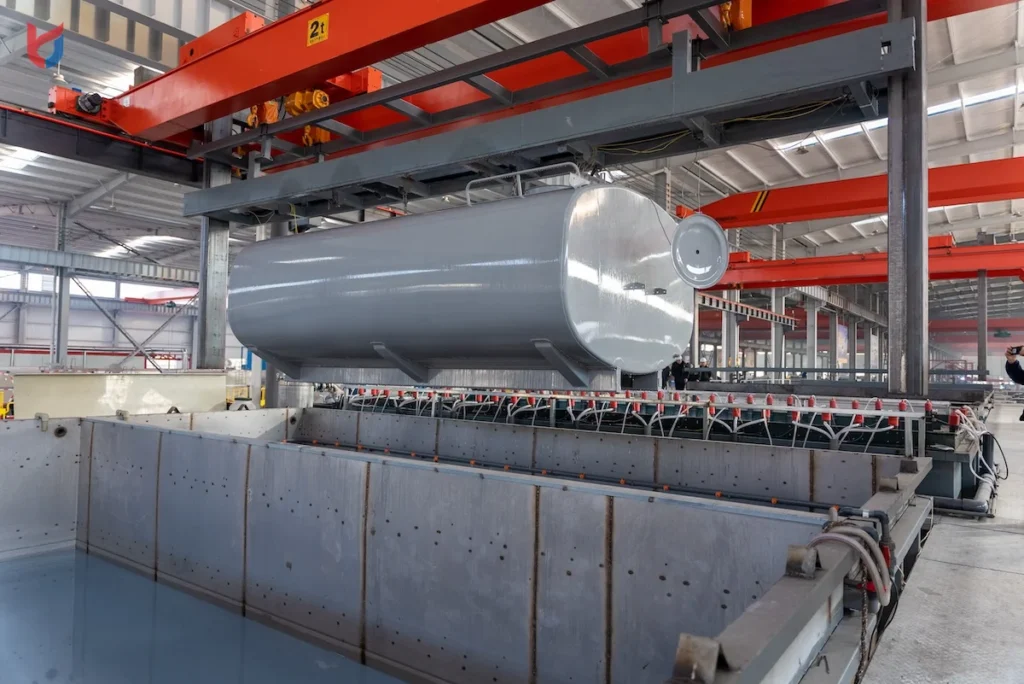
Common water tank materials include:
- Carbon steel
- Stainless steel
- Galvanized steel
Carbon steel tanks require proper internal corrosion protection.
For this type of tank, coating quality, coating thickness, and adhesion are important.
Do not judge tank quality only by the exterior paint.
Before buying, ask whether the inside of the tank has been sandblasted before coating and whether multiple protective coating layers are used.
The welded areas should also receive proper corrosion protection.
Steel plate thickness is another important factor.
Different manufacturers may use different standards. If the steel plate is too thin, the tank may deform when fully loaded.
Thin material may also increase stress around welded areas and raise the risk of cracks over long-term use.
During the vehicle inspection, ask the manufacturer to provide a material certificate for the tank steel.
You should also check the number and welding quality of the internal baffles.
Baffles reduce water movement inside the tank while the truck is driving.
If there are too few baffles, water surge can place more stress on the tank body and may increase long-term fatigue.
4. Check the PTO and Drive System
Most water trucks use power from the chassis engine to operate the water pump.
A power take-off (PTO) transfers power from the transmission to the pump.
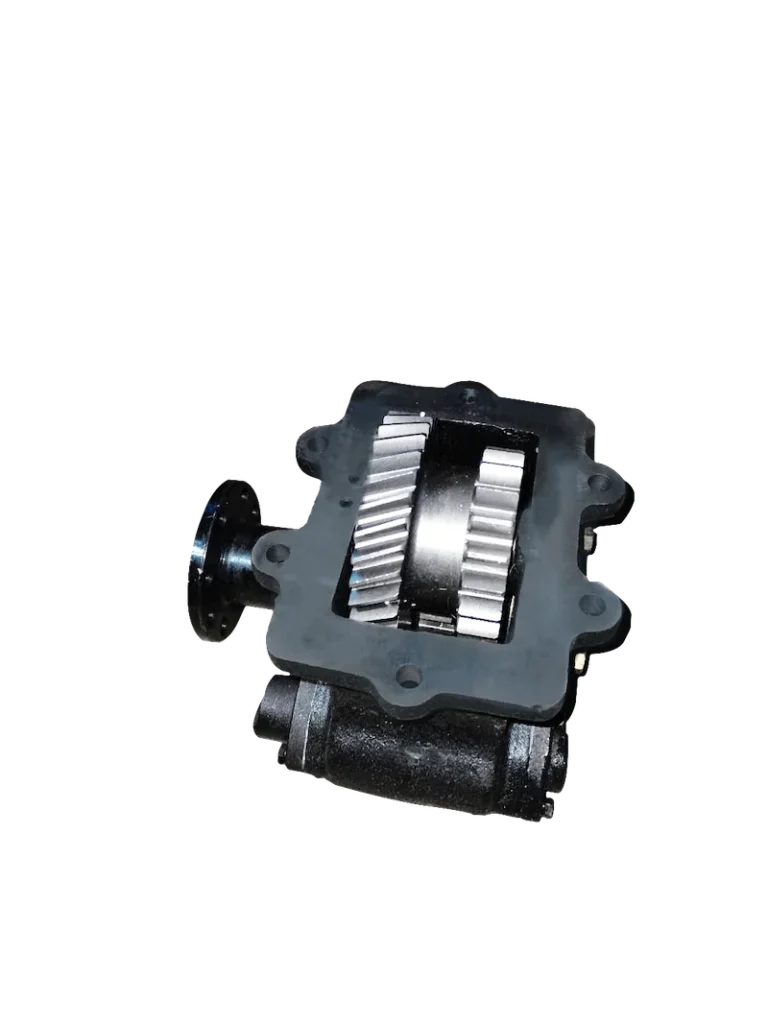
The PTO type, gear ratio, and compatibility with the transmission can affect pump speed and fuel use.
If the PTO does not match the chassis correctly, several problems may occur:
- Unstable pump speed
- Higher engine load
- Increased fuel consumption
- Early PTO gear wear
Before purchasing, confirm that the PTO is designed for or fully tested with the selected truck chassis.
You should also ask about:
- PTO lubrication
- Cooling conditions
- Gear ratio
- Operating speed
- Maintenance requirements
A properly matched PTO and transmission system helps keep the water pump operating at a stable speed.
5. Consider After-Sales Support and Spare Parts Availability
After-sales support for a water truck is different from support for a standard commercial truck.
Specialized parts such as the water tank, piping system, valves, water pump, water truck nozzle, and spray head may require technicians with experience in special-purpose vehicles.
When choosing a water truck manufacturer, check whether the supplier provides:
- Common spare parts in stock
- Technical troubleshooting support
- Replacement seals and valves
- Water pump parts
- Water truck nozzles
- Spray heads
- Clear warranty terms
- Repair guidance
It is also important to know whether common wear parts use standard specifications.
Before buying the truck, ask the supplier for a list of common wear parts and their expected delivery times.
You should also ask how the internal anti-corrosion coating can be repaired if a small area becomes damaged.
A clear repair process can prevent a small leak or coating problem from developing into serious tank damage.
Conclusion
Choosing the right water truck is not only about comparing price and tank capacity.
A good purchase decision should consider the complete vehicle system, including the chassis, tank, water pump, piping, PTO, water truck nozzle, spray head, corrosion protection, and after-sales support.
Matching these components to your actual working conditions can improve operating efficiency, reduce maintenance problems, and help extend the service life of the water truck.
Need Help Choosing the Right Water Truck?
KAILION can help you match the right chassis, pump, and spray system to your operation.
Related Articles
View All Articles
Understanding the Mechanics of Dust Cannons
A dust cannon uses fine water mist to control airborne dust. The water droplets mix with dust particles, making them heavier so they settle to the ground.
What are the applications of a water truck?
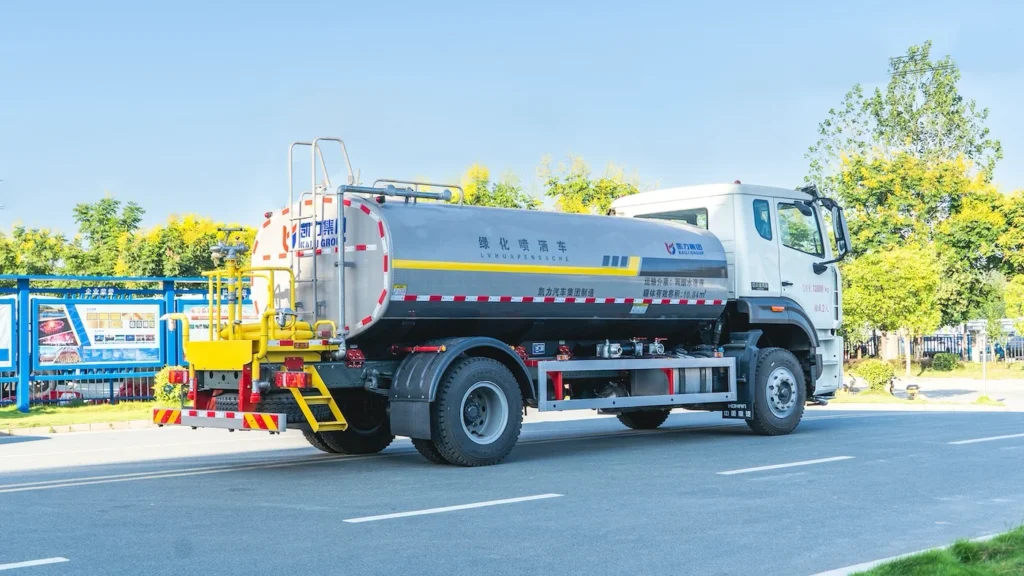
Water trucks serve city cleaning teams, landscape crews, and construction sites. They carry water in a tank and use a pump, pipes, and spray nozzles to deliver it where needed.
Water Truck Parts, Structure, Functions, Operation and Maintenance Guide
A water truck is made up of several key systems. Each system has a different role in water transport, pumping, spraying, and vehicle operation.